Pristine Laser Restoration provides laser cleaning for automotive restoration projects. Our fiber laser removes rust, paint, primer, undercoating, and surface contamination from steel, aluminum, cast iron, and other metals without warping panels, embedding media in the surface, or leaving chemical residue in seams. We serve hobbyists and classic car shops across Missouri, Kansas, Oklahoma, and Arkansas with mobile on-site service. We also accept shipped parts through our national ship-to program for engine blocks, manifolds, brackets, suspension components, and smaller restoration parts.
Clean It Without Destroying It.
Laser cleaning strips rust, paint, and decades of buildup from classic car parts and body panels without abrasive contact, chemical residue, or embedded media. The surface comes out clean, dimensionally accurate, and ready for whatever comes next.
BEFORE AND AFTER
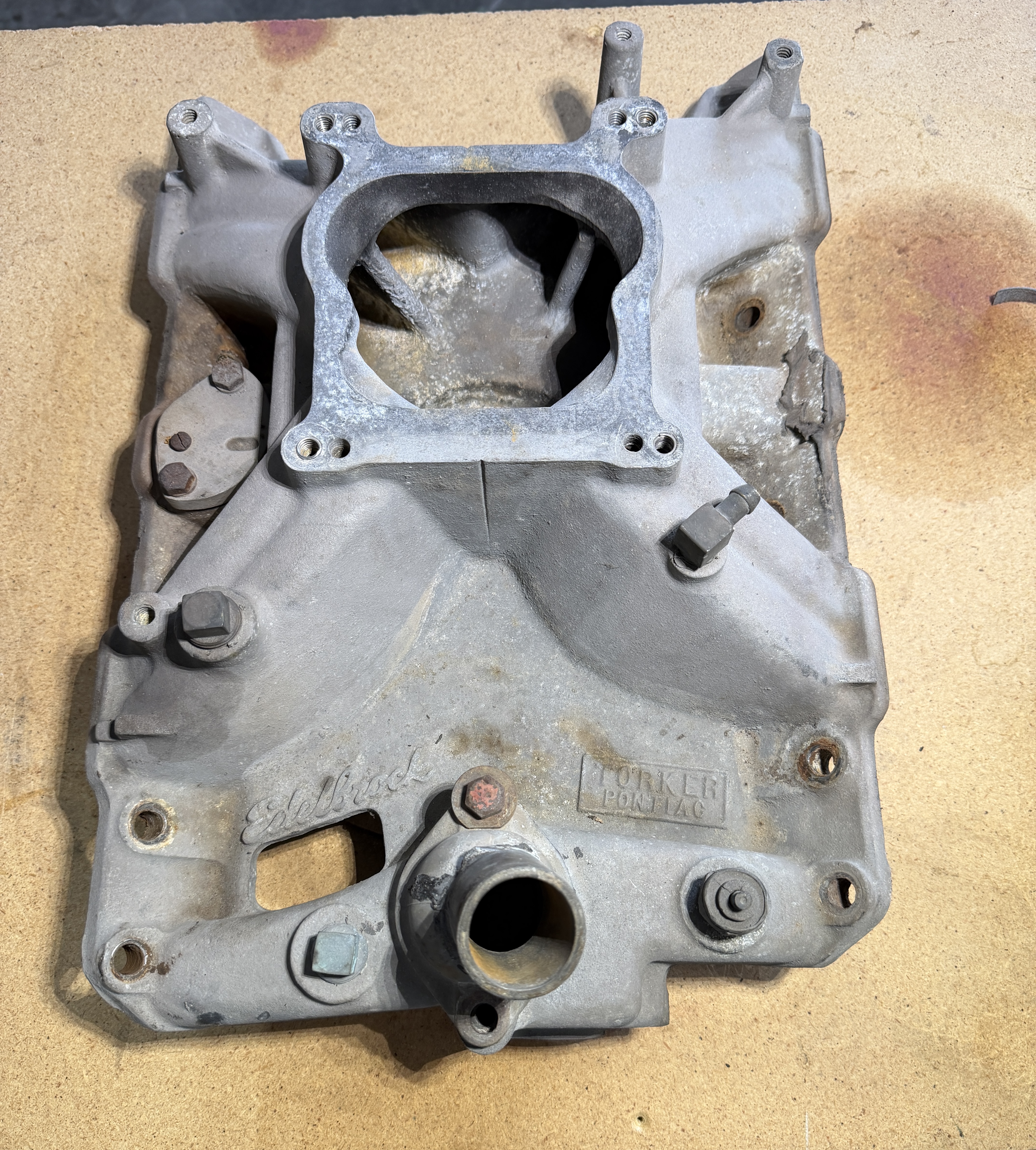 Before
 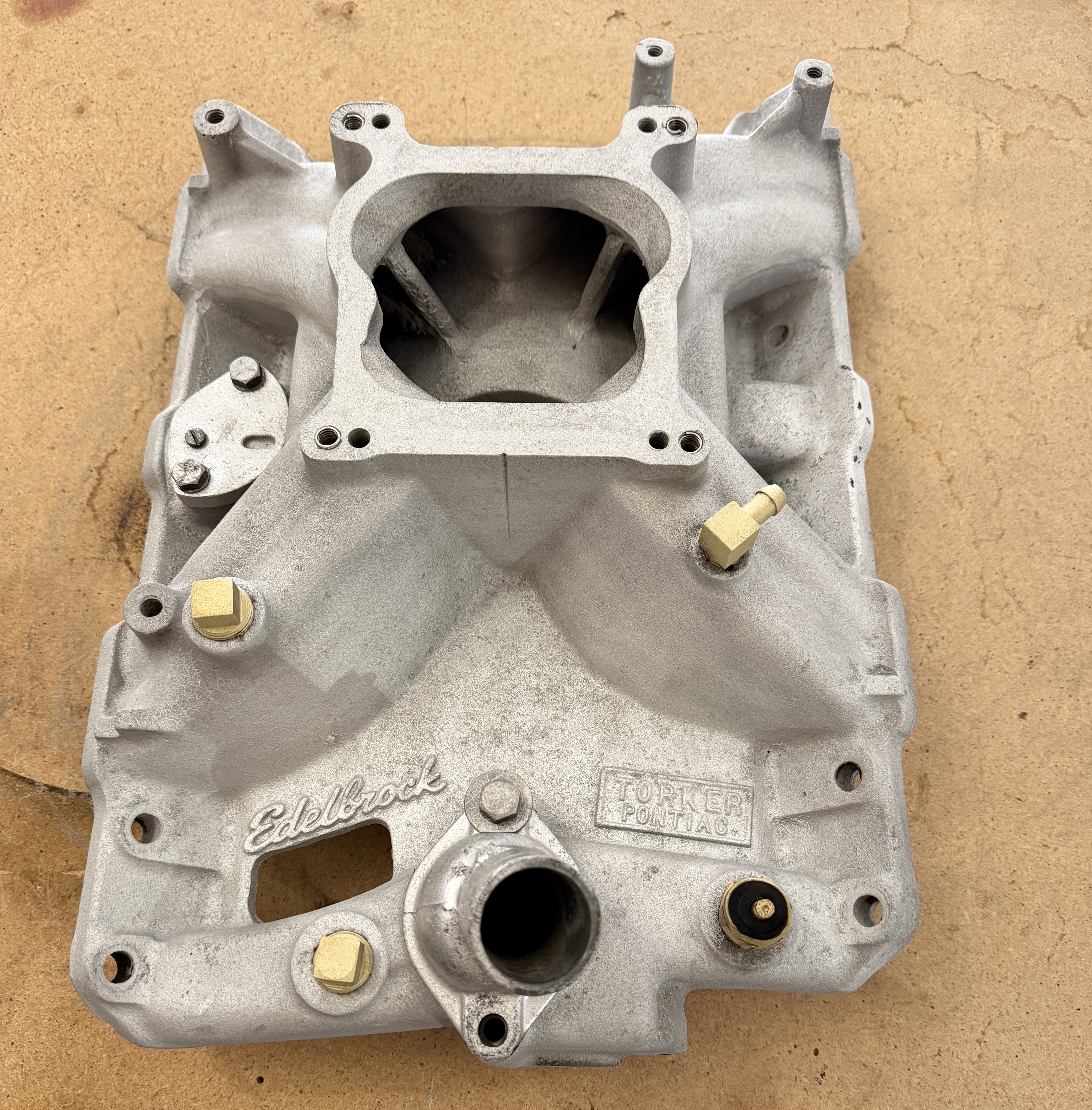 After
After Pontiac intake manifold. Carbon, oil residue, and oxidation removed. Original casting detail and lettering preserved.
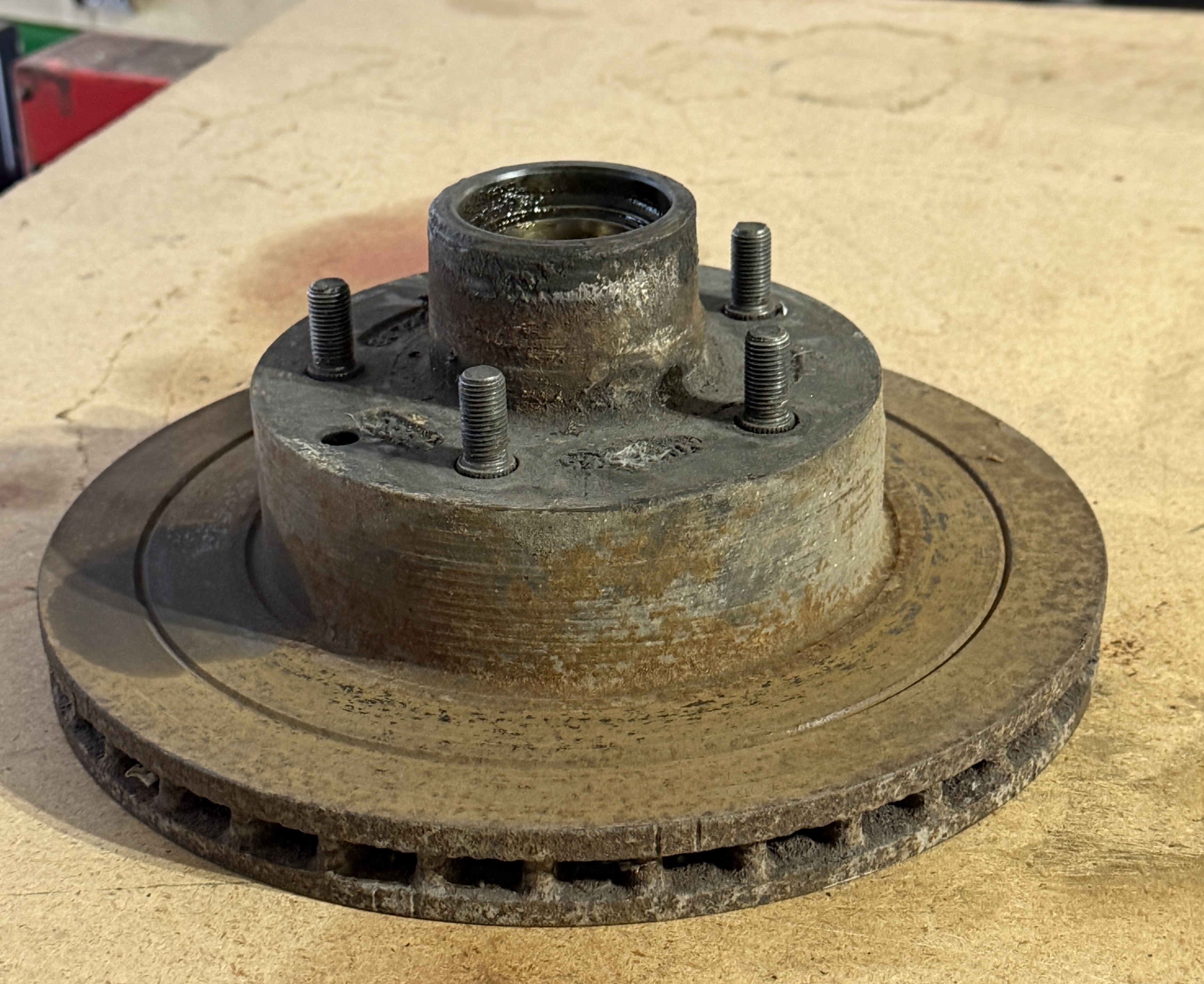 Before
 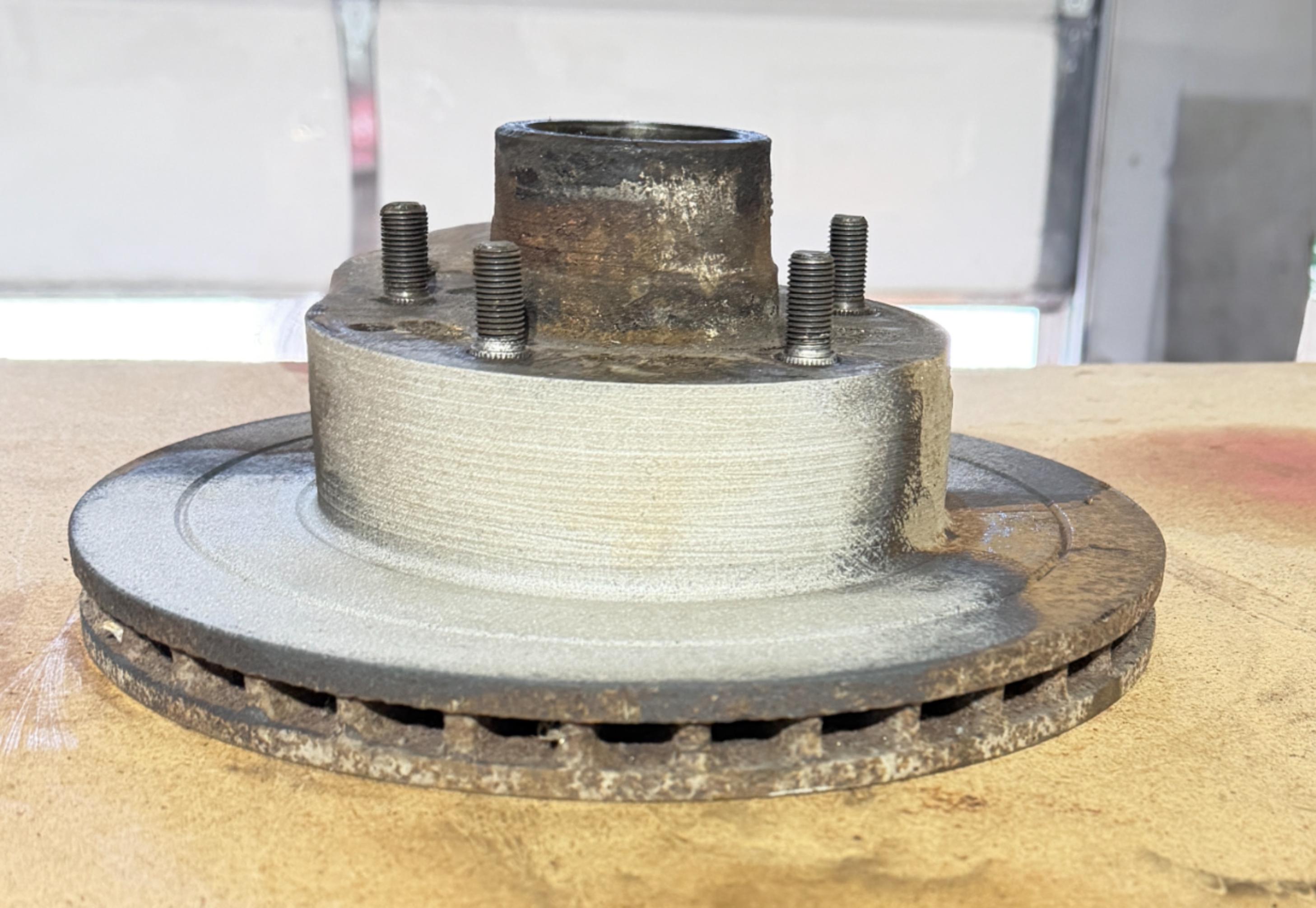 After
After Brake rotor hub. Heavy rust and corrosion removed. Original machined surface restored.
WHY RESTORERS CHOOSE LASER
Clean It Once. Know What You Have.
No Panel Warping
The laser is non-contact. No friction heat from abrasive impact. Sheet metal panels, hoods, deck lids, and door skins come out flat because nothing hit them hard enough to change their shape.
No Trapped Media
Nothing is propelled at the surface, so nothing gets lodged in seams, crevices, box sections, or behind flanges. No sand, no soda, no walnut shells sitting inside the body waiting to cause problems.
No Chemical Residue in Seams
No acid wicking into spot welds. No alkaline soda residue reacting under your primer. No flash rust from missed neutralization. The process is dry and produces no residue.
Original Detail Preserved
Factory stampings, casting numbers, die marks, and machined surfaces stay visible. The laser removes what does not belong and leaves the history of the part intact. For concours and documentation purposes, this matters.
Surface Ready for Primer
The cleaned surface accepts primer, paint, powder coat, or weld prep immediately after cleaning. No blowout, rinse, or dry time between the laser and the next step.
Mobile and Ship-To Options
We bring the laser to your shop or garage across Missouri, Kansas, Oklahoma, and Arkansas. For parts that fit in a box, our ship-to program accepts engine blocks, manifolds, brackets, suspension components, and hardware from anywhere in the country.
Sandblasting creates three specific problems for automotive restoration that laser cleaning eliminates. First, abrasive impact generates friction heat on sheet metal panels, which can cause warping on hoods, roof skins, trunk lids, and door panels. Second, blast media lodges in body seams, behind spot-welded flanges, and inside box sections, where it traps moisture and accelerates hidden corrosion. Restoration professionals routinely find sand and spent media inside body cavities during teardowns of previously blasted vehicles. Third, the blasting process removes base metal along with the rust, which changes dimensions on parts where fit and tolerance matter. Laser cleaning avoids all three problems. The process is non-contact, so no media impacts the surface. No material gets trapped inside the body. And the laser removes the corrosion layer without removing the metal underneath it, preserving original panel thickness and surface detail.
HOW IT COMPARES
Every Stripping Method Gets You to Bare Metal. The Difference Is What It Does to the Metal on the Way There.
You have spent enough time around restoration projects to know that getting to bare metal is only half the job. How you get there determines whether the metal is still straight, whether there is media trapped inside it, and whether something is going to bleed through your new paint two years from now. Every method on this page strips rust and coatings. The question is what else comes along with it.
We look at photos of your project and tell you what approach makes sense for each part. Some components are ideal for laser. Others might be better served by another method. We would rather give you an honest evaluation than clean something the wrong way.
Sandblasting
What it does well:
Strips paint, rust, and undercoating fast. Widely available, common in restoration shops, creates surface profile that primers grab onto. For frames, subframes, suspension arms, and heavy structural parts, blasting is efficient and cost-effective.
Where it falls short:
On sheet metal panels, hoods, roof skins, concentrated blasting generates friction heat that warps the panel. Media gets everywhere. Sand lodges in body seams, behind spot-welded flanges, inside box sections. Restoration professionals often find residual media trapped inside body cavities during teardowns of previously blasted vehicles.
Chemical Stripping
What it does well:
Strips everything without generating heat or physical impact. For complete body shells and complex parts where you need every surface stripped simultaneously, dipping delivers the most thorough coverage.
Where it falls short:
Slow. Soak times run hours to days. Chemicals are hazardous and require regulated disposal. Acid wicks into folded joints, spot-welded flanges, and overlapping panel edges. If not fully neutralized, it continues reacting. Flash rust appears within hours. Restorers have documented primer adhesion failures traced to residual chemistry in seams.
Media Blasting (Soda, Walnut, Glass Bead, Plastic)
What it does well:
Addresses some of sandblasting's problems. Soda is gentler on sheet metal. Walnut shells will not warp panels. Glass bead gives consistent finish on smaller parts.
Where it falls short:
Every blasting method leaves residue. Soda requires thorough chemical neutralization or alkaline residue causes paint failure. Walnut shells remove paint but leave rust behind. Glass bead embeds in softer metals. All share the same fundamental problem: they propel material at the surface, and some ends up where it should not.
Laser cleaning uses a fiber laser to remove rust, paint, primer, and surface contamination from automotive parts and body panels. The laser beam vaporizes the unwanted material down to bare metal while leaving the base metal unaffected. Because the process is non-contact, there is no abrasive impact that could warp sheet metal panels, no blast media that could lodge in body seams, and no chemical that could wick into spot-welded joints. The operator adjusts laser parameters for each material and contamination type and tests a small area before proceeding. Original factory stampings, casting marks, and machined surfaces remain visible after cleaning rather than being erased by abrasive impact. An integrated fume extraction system captures vaporized particles during the process. The cleaned surface is immediately ready for primer, paint, welding, or further metalwork without a rinse step, neutralizing wash, or media blowout between cleaning and the next operation.
Send Us Photos. We Will Tell You What Makes Sense.
Send us photos of what needs cleaning. Tell us what the part is, what is on it, and what you plan to do with it after. We will tell you whether laser makes sense for the job and what it looks like.
RELATED SERVICES
From Bare Metal to the Next Step
Rust Removal
Heavy corrosion on parts that need more than a cosmetic clean? Laser removes oxide layers down to bare metal without altering surface dimensions.
Learn morePaint and Coatings
Old paint, powder coat, or primer that needs to come off before refinishing? Laser stripping removes coatings down to bare metal without substrate damage.
Learn moreShip-To Automotive Parts
Have parts to ship? Engine blocks, manifolds, brackets, rotors, and hardware. Send them to us. We clean and return them.
Learn moreCOMMON QUESTIONS
What Restorers Ask Before Committing Their Metal
Send Us Photos. Get an Honest Answer.
Every project is different. Show us the parts, tell us the plan, and we will tell you what the laser can and cannot do for your build.