Pristine Laser Restoration provides chemical-free laser cleaning for commercial kitchen equipment including ovens, griddles, fryers, hoods, and stainless steel surfaces. Our fiber laser removes carbonized grease, baked-on food residue, and heavy carbon buildup without chemicals, abrasives, or soaking. We serve restaurants, churches, hotels, bakeries, schools, event venues, and food processing facilities across Missouri, Kansas, Oklahoma, and Arkansas.
The Deep Clean Without the Chemicals.
Laser cleaning removes carbonized grease and baked-on buildup from commercial ovens, griddles, fryers, and hood systems. No chemicals anywhere near your food prep surfaces. No soaking.
BEFORE AND AFTER
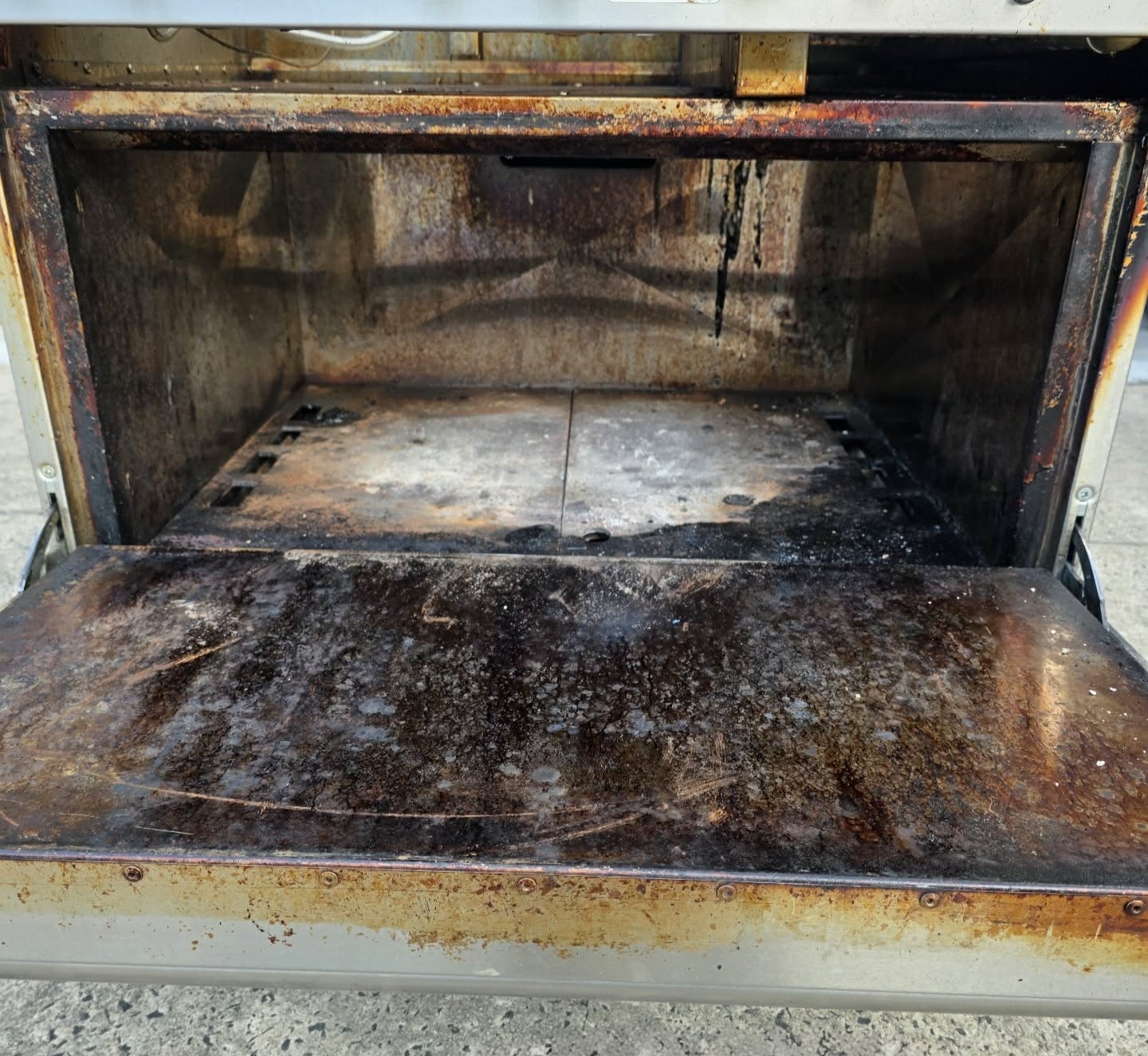 Before
 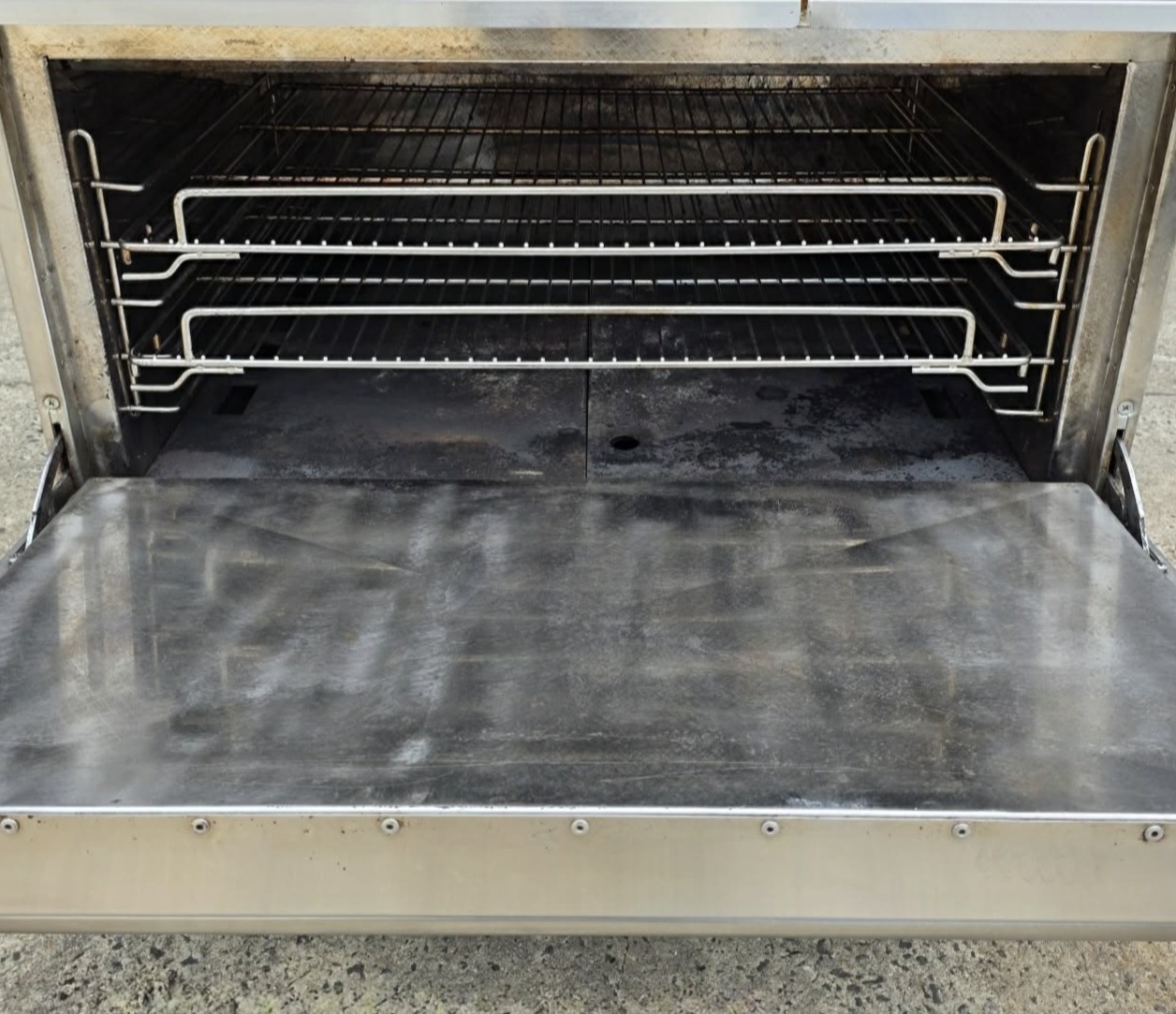 After
After Commercial oven interior. Years of carbonized grease buildup removed. Stainless steel surface restored without chemicals or abrasives.
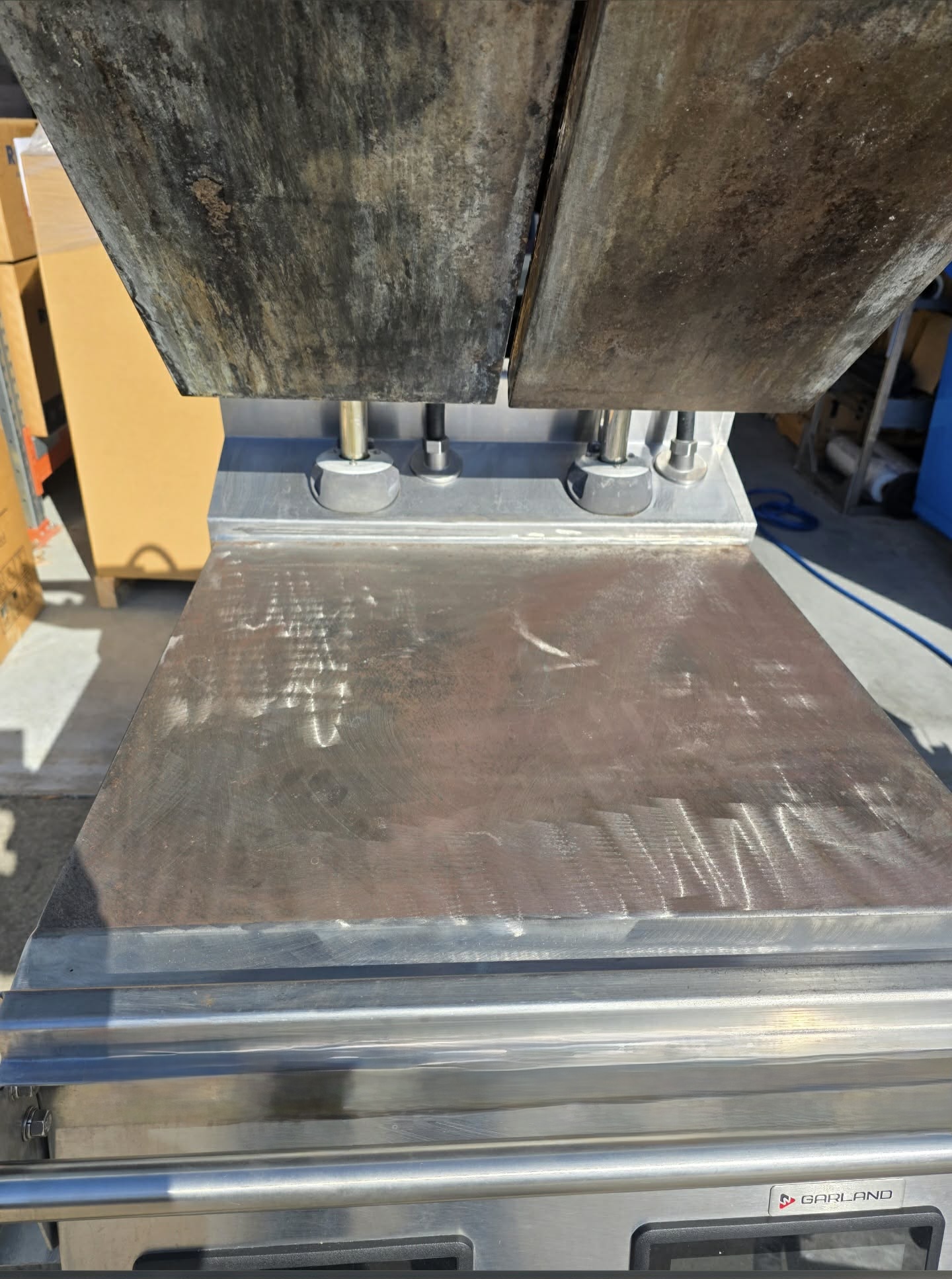 Before
 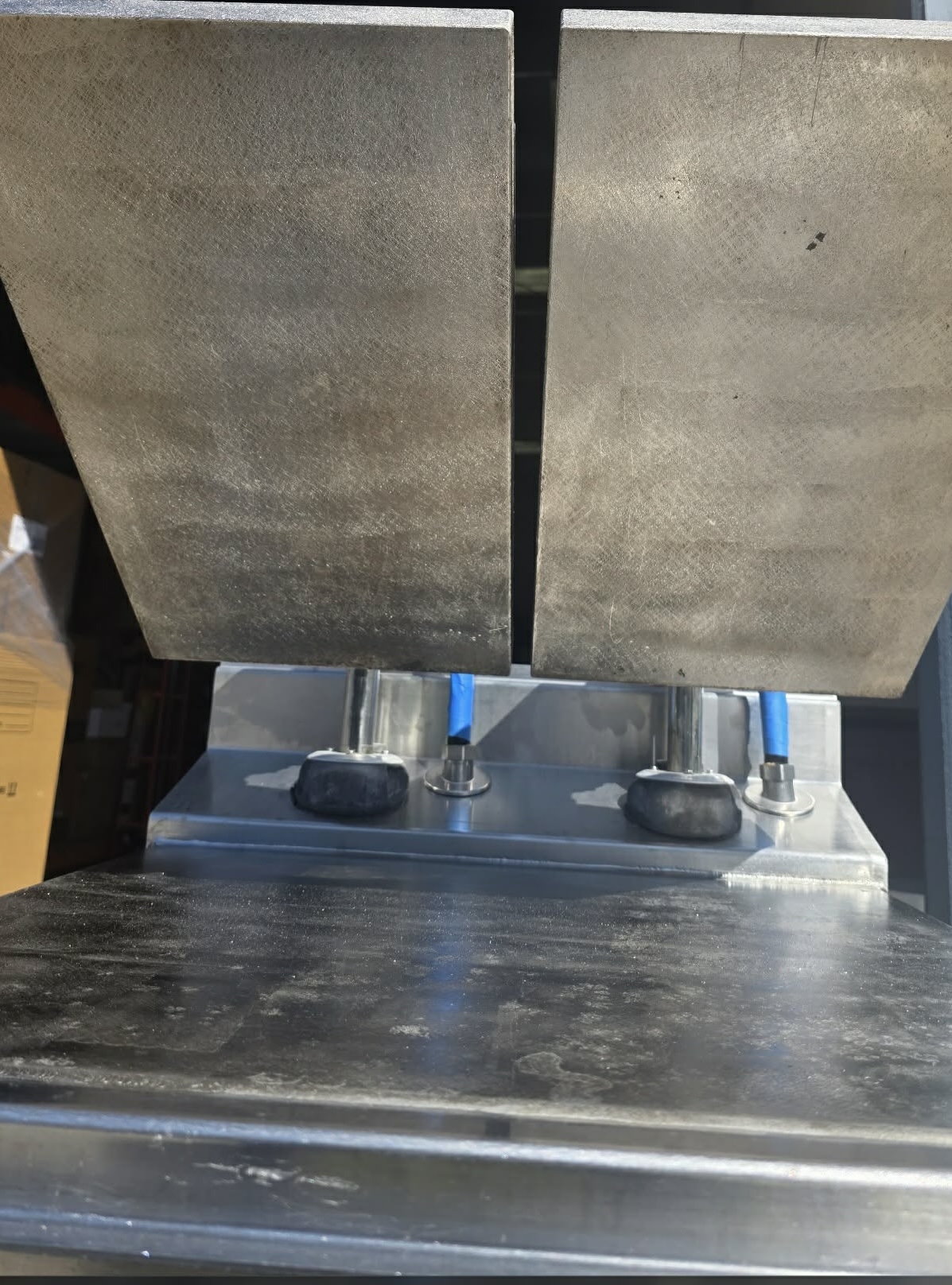 After
After Commercial flat top griddle. Heavy carbon and grease deposits removed. Surface cleaned without chemical degreasers or abrasive scraping.
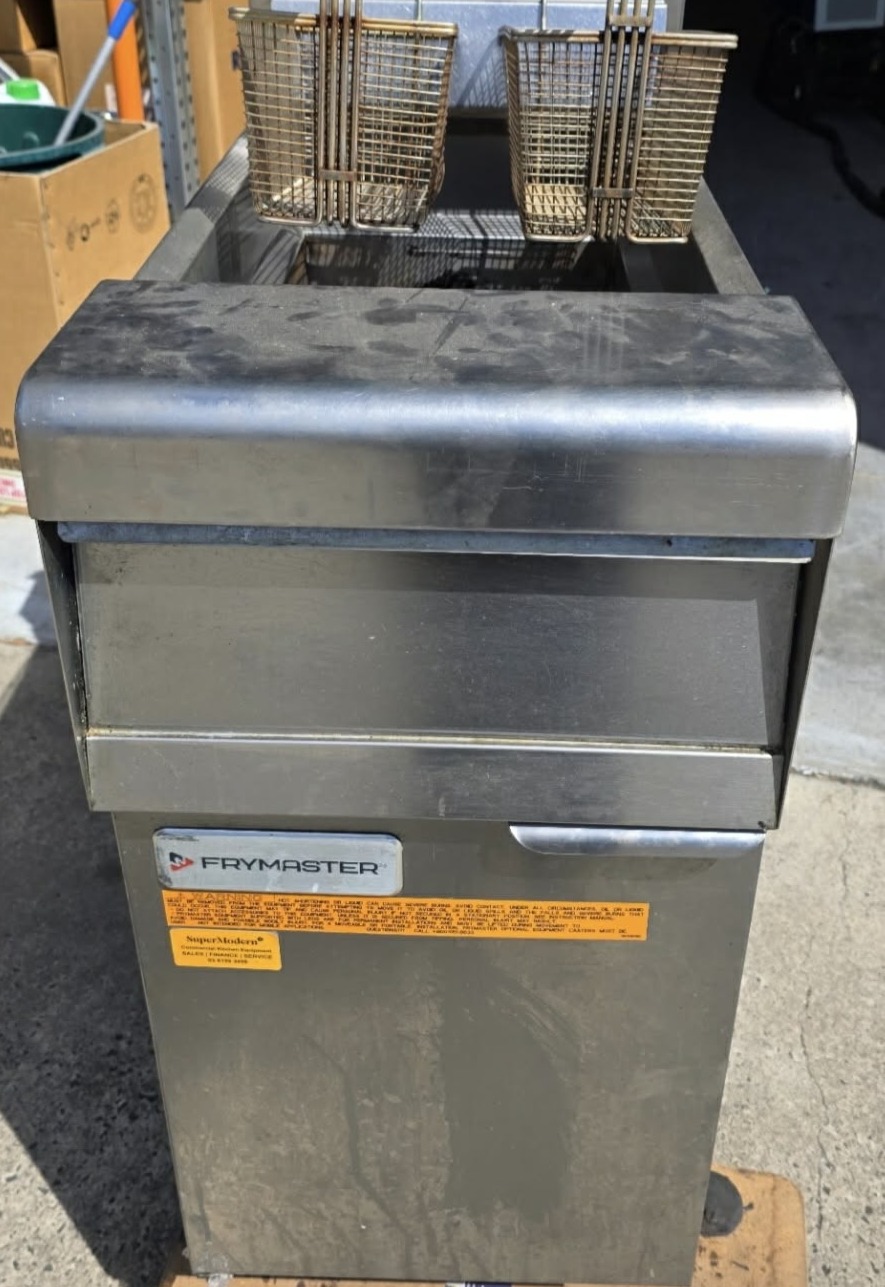 Before
 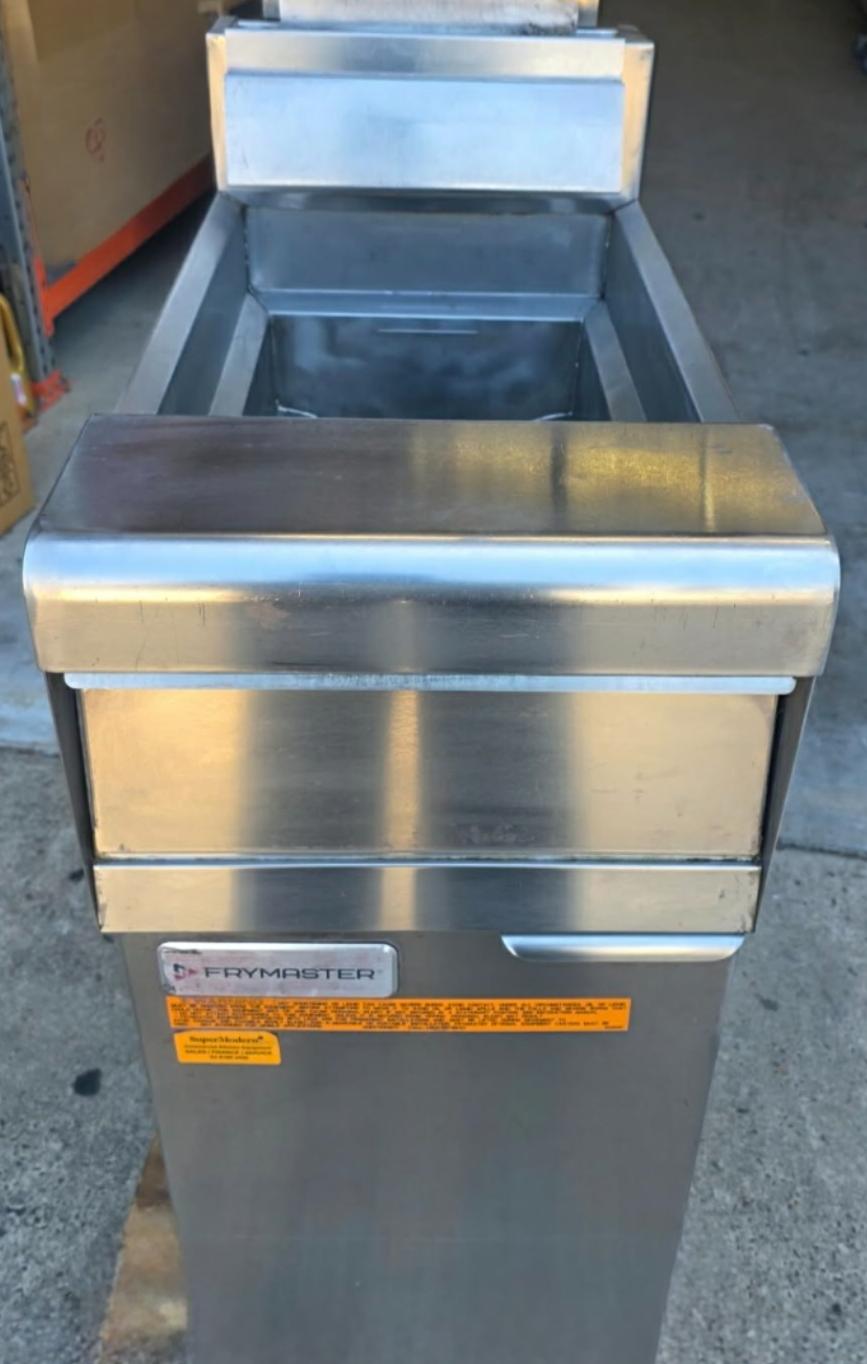 After
After Commercial fryer. Polymerized grease and carbon buildup removed. Metal surface fully accessible for inspection.
WHY KITCHENS CHOOSE LASER
Clean Equipment Without the Chemicals, the Downtime, or the End-of-Shift Battle
Zero Chemicals Near Food Surfaces
No degreasers, no caustic oven cleaners, no residue to rinse off before cooking. The laser removes buildup without introducing anything into your food preparation environment.
Reaches What Scraping Cannot
Behind heating elements, inside oven cavities, around fryer components, into hood and exhaust geometry. The laser accesses the buildup that manual cleaning misses or staff simply cannot reach safely.
No Equipment Lockout
Unlike self-cleaning cycles that lock ovens for 3 to 6 hours and risk component damage, laser cleaning does not require running equipment at extreme temperatures. Your oven stays intact.
Works With Your Schedule
We coordinate around your kitchen operation. Many operators book laser cleaning during a planned closure day, between services, or on a scheduled maintenance day. We work with your calendar, not against it.
Every Metal Surface in the Kitchen
Ovens, griddles, flat tops, fryers, exhaust hoods, stainless steel prep surfaces, and cast iron equipment. Restaurants, church kitchens, hotel banquet facilities, school cafeterias, and food processing plants. One process for the full operation.
Eliminates the Chemical Compliance Burden
No safety data sheets for caustic cleaners. No OSHA hazard communication program for oven chemicals. No PPE for chemical exposure. No chemical storage separation from food areas. The handling requirements go away entirely.
Laser cleaning uses no chemicals, no water, and no abrasive materials during the cleaning process. Nothing is applied to the equipment surface. The laser vaporizes carbonized grease and baked-on residue on contact, and an integrated fume extraction system captures the resulting particulate. No chemical residue is left behind on food preparation surfaces, and no rinse step is needed before returning equipment to service. This eliminates the chemical handling burden that comes with caustic oven cleaners and heavy-duty degreasers: the PPE requirements, the safety data sheets, the OSHA hazard communication program, and the need to store chemicals separately from food and utensils. For restaurants, church kitchens, school cafeterias, hotel banquet operations, and food processing facilities, the ability to deep-clean equipment without introducing chemicals into the food preparation environment is a meaningful operational advantage.
HOW IT COMPARES
How Kitchen Cleaning Methods Compare
Every commercial kitchen cleans its equipment. Restaurants, church kitchens, hotel banquet operations, school cafeterias, food processing facilities. The daily wipe-down happens. The weekly deep clean gets scheduled. But the carbonized layer that builds up over months and years of high-heat cooking resists all of it. Most kitchens cycle between chemical degreasers, manual scraping, and self-cleaning cycles. Each approach handles part of the problem. None of them handle all of it.
Chemical Degreasers
What it does well:
Dissolve surface-level grease and loosen moderate buildup quickly. For daily maintenance on lightly soiled surfaces, they are fast and widely available.
Where it falls short:
Degreasers strong enough to dissolve heavily polymerized carbon are also strong enough to cause burns, skin irritation, and respiratory problems. OSHA requires PPE, safety data sheets, a written hazard communication program, and chemical storage separated from food and utensils.
Manual Scraping
What it does well:
Hands-on and needs no specialized equipment. For daily post-service griddle maintenance, manual methods are standard kitchen routine.
Where it falls short:
Slow and physically demanding, especially on ovens, hoods, and fryer interiors. The carbonized grease that polymerizes under repeated high-heat cooking resists physical scraping. The visible grime comes off. The structural buildup stays.
Self-Cleaning Oven Cycles
What it does well:
Uses extreme heat (800 to 900 degrees Fahrenheit) to incinerate food residue and light grease into ash. No chemicals needed, no labor during the cycle.
Where it falls short:
Locks the oven for 3 to 6 hours, taking it completely out of service. Extreme heat can damage thermostat components, blow thermal fuses, and burn out control panels. Only handles the oven cavity. Does nothing for griddles, fryers, hoods, or external surfaces.
Laser cleaning uses a fiber laser to vaporize carbonized grease, baked-on food residue, and carbon deposits from commercial kitchen equipment surfaces. The laser energy is tuned to the ablation threshold of the carbon and grease layers, breaking them down at the molecular level without chemicals, water, or abrasive contact. An integrated fume extraction system captures the vaporized material during cleaning. The process works on ovens, griddles, fryers, hood systems, exhaust components, stainless steel surfaces, and cast iron equipment. Because the laser is non-contact and non-abrasive, it reaches areas that manual scraping misses: behind heating elements, inside oven cavities, around fryer baskets, and into exhaust hood interiors and accessible exhaust components. The operator adjusts parameters for each surface and tests a small area first. No chemical residue is left on food preparation surfaces. No abrasive media needs cleanup. The equipment is ready to use as soon as cleaning is complete.
Your Kitchen Equipment Can Actually Be Clean
Send photos of the equipment that needs work. Tell us what kind of facility you operate and what your schedule looks like. We will tell you what the laser can handle.
RELATED SERVICES
We Clean More Than Kitchen Equipment
Industrial Maintenance
If your facility also has manufacturing equipment, structural steel, or heavy machinery that needs cleaning, the same laser process handles industrial applications.
Learn moreFire and Smoke Damage
Experienced a kitchen fire? Laser cleaning removes soot and char from metal surfaces, equipment frames, and structural components as part of the restoration process.
Learn moreCOMMON QUESTIONS
What Kitchen Operators Ask Before Booking
Send Us a Photo. Get an Honest Answer.
Whether it is an oven that has not been properly deep-cleaned in years, a griddle with layered carbon, or a hood system that chemicals cannot reach, send us photos. If the laser is not the right solution, we will tell you that too.