Pristine Laser Restoration removes rust, oxide scale, and corrosion from steel, iron, aluminum, copper, brass, and bronze surfaces using a fiber laser with integrated fume extraction. The laser vaporizes the oxidized layer without affecting the metal underneath, preserving original dimensions, surface texture, and material integrity. We serve industrial operations, property owners, automotive restorers, and hobbyists across Missouri, Kansas, Oklahoma, and Arkansas with mobile on-site service. We also accept shipped parts through our national ship-to program.
Remove the Rust. Keep the Metal.
Laser rust removal strips oxide, scale, and corrosion down to clean metal without altering the surface underneath. No abrasive impact. No chemical soak. No secondary waste to dispose of. Mobile service across Missouri, Kansas, Oklahoma, and Arkansas, plus a national ship-to program for parts and components.
BEFORE AND AFTER
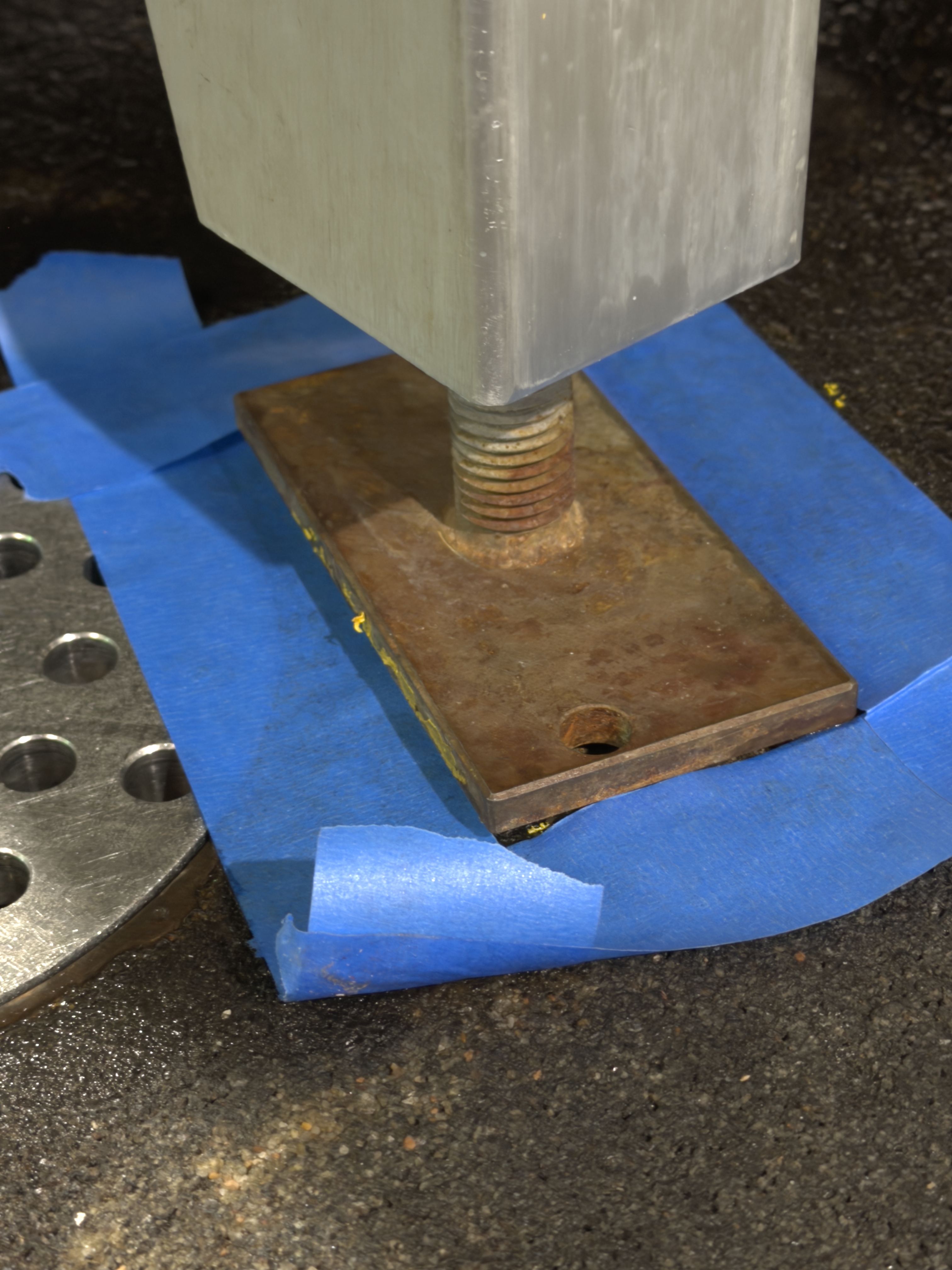 Before
 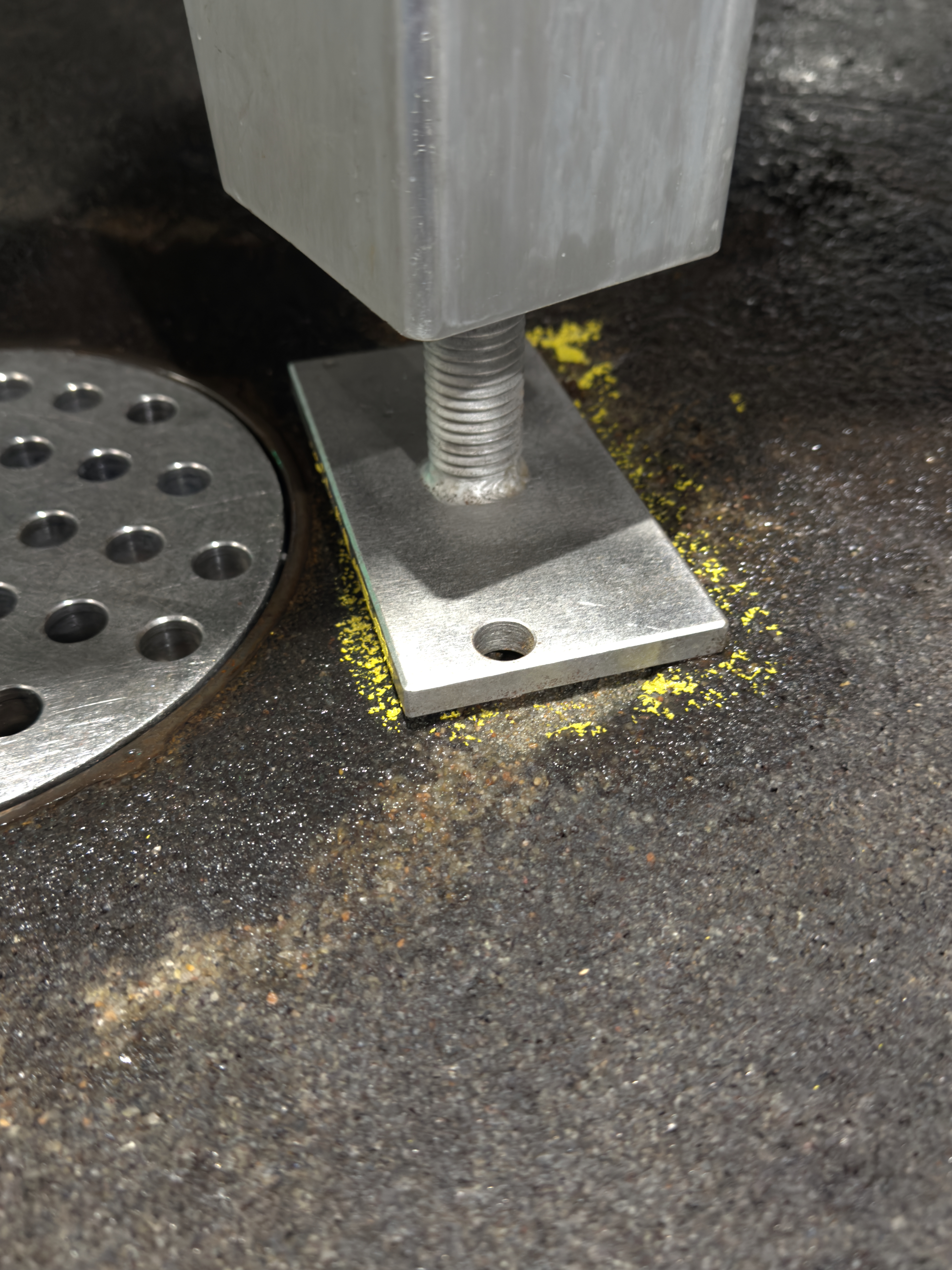 After
After Equipment base with heavy layered rust. Corrosion removed to bare metal by laser. Original profile and dimensions preserved.
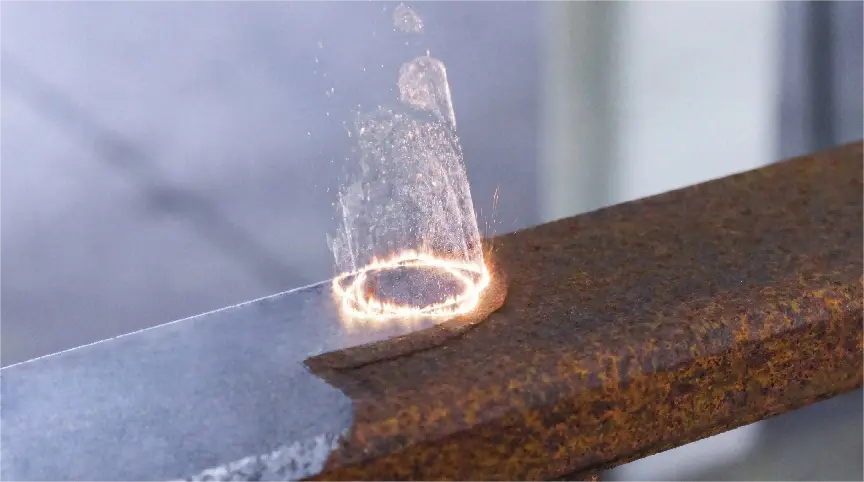
Equipment foot. Layered corrosion removed to bare metal. Surface ready for primer, coating, or return to service.
WHY PEOPLE CHOOSE LASER FOR RUST
Strip the Corrosion. Preserve Everything Else.
Metal Stays Intact
The laser removes the oxide layer without removing base metal. Dimensions, surface texture, and material properties stay where they are. On precision parts, thin stock, and components where material loss matters, this is the difference between a part that goes back in service and one that gets scrapped.
No Embedded Media
No blast grit lodged in threads, seams, or surface pores. No abrasive particles trapped in crevices accelerating re-rust from the inside. The surface is clean without anything left behind in it.
No Chemical Handling or Disposal
No acid tanks. No hazardous waste drums. No soak times. No neutralizing rinses. No RCRA disposal paperwork. The regulatory and handling burden that comes with chemical methods does not apply.
Surface Ready for the Next Step
The cleaned surface is immediately ready for primer, paint, powder coat, welding, or return to service. No rinse, no etch, no dry time between cleaning and the next operation. Flash rust risk from moisture exposure between steps is eliminated.
Works on Multiple Metals
Steel, iron, aluminum, copper, brass, and bronze. The same process handles different substrates by adjusting laser parameters for each material. One service for rust removal across different metals and applications.
Mobile and Ship-To Options
We bring the laser to your location for on-site work across Missouri, Kansas, Oklahoma, and Arkansas. For parts and components, our ship-to program accepts items from anywhere in the country.
Laser rust removal eliminates the secondary problems that sandblasting and chemical dipping create during the rust removal process. Sandblasting removes base metal along with the rust, changes surface dimensions, embeds abrasive media in the substrate, and generates silica dust that requires extensive containment and respiratory protection. Chemical dipping involves long soak times, hazardous waste disposal, and acid residue that can continue reacting in seams and joints after the part is removed. Laser cleaning removes the oxidized layer by vaporization without contacting the metal surface. No media embeds. No chemical residue remains. No base metal is lost. The process produces no secondary waste, and the cleaned surface is immediately ready for coating, welding, or return to service. For parts where preserving original material and dimensional accuracy matters, laser rust removal avoids the trade-offs that traditional methods require.
HOW IT COMPARES
Rust Removal Is Not Just About the Rust. It Is About What Happens to the Metal Underneath.
Every method on this page removes rust. That is not the question. The question is what else the method does to the metal while it works. Does it remove material you need to keep? Does it embed something in the surface? Does it create waste that needs to be managed afterward? Does the surface come out ready for the next step, or does it need additional prep before you can paint, weld, or put the part back in service?
We evaluate each job based on the substrate, the corrosion type, the surface tolerance, and what happens to the part after cleaning. We test a small area first and adjust laser parameters before proceeding. If laser is the right approach, we tell you what the job looks like. If it is not, we tell you that instead.
Sandblasting
What it does well:
Removes heavy rust and scale quickly across large surface areas. Widely available, low equipment cost, creates surface profile for coating adhesion.
Where it falls short:
Abrasive impact removes base metal. On thinner stock, panels, and precision components, this material loss changes dimensions. Concentrated blasting generates friction heat that warps metal. Media gets lodged in crevices, threads, and seams. Embedded media traps moisture and accelerates re-rusting.
Chemical Dipping
What it does well:
Reaches every surface simultaneously, including internal passages and enclosed sections. For full-body stripping or batch processing of complex parts, dipping removes rust from areas no other method can reach.
Where it falls short:
Soak times range from hours to days. Chemicals require RCRA-compliant hazardous waste disposal. Acid can seep into folded seams and spot-welded joints. Residual chemistry causes flash rust or interferes with primer adhesion. Parts come out as bare, unprotected metal that begins oxidizing within hours.
Wire Brushing
What it does well:
Requires minimal equipment, no special training. For light surface rust on accessible areas, a wire wheel on an angle grinder is fast and cheap.
Where it falls short:
Inconsistent. Depth depends on operator pressure. On heavier corrosion, leaves pitting and deeper oxide behind. Wire bristles can break off and embed in the surface. Generates fine particles requiring respiratory protection. Creates uneven surface needing additional prep.
Laser rust removal uses a fiber laser to vaporize rust, oxide scale, and surface corrosion from metal. Every material has an ablation threshold, the energy level at which its molecular bonds break and it vaporizes. Rust and oxide layers have a significantly lower ablation threshold than the base metals they form on. The laser operator sets parameters so the beam energy falls between these two thresholds: high enough to vaporize the corrosion, low enough to leave the metal underneath unaffected. As the laser scans across the surface, it converts the oxidized layer into fine particles that are captured by an integrated fume extraction system. The process is non-contact, meaning no abrasive media impacts the surface and no chemical interacts with the substrate. The cleaned surface retains its original dimensions, surface profile, and material properties and is immediately ready for recoating, welding, inspection, or return to service.
The Rust Comes Off. The Metal Stays.
Send us photos of what needs cleaning. Tell us the metal type, the level of corrosion, and what happens to the part after cleaning. We will tell you what the laser can do and what the job looks like. If you have parts to ship, we accept items from anywhere in the country through our ship-to program.
RELATED SERVICES
Rust Is Usually Just the First Problem
Industrial Maintenance
Rust on production equipment, structural steel, or facility infrastructure? We bring the laser to your plant and work within your maintenance window.
Learn moreAuto Restoration
Rust on classic car parts, engine components, or suspension? Laser removes corrosion without warping panels or embedding media in the metal.
Learn morePaint and Coatings
Old coatings that need to come off before the surface can be recoated? Laser strips paint, powder coat, and primers without substrate damage or fire risk.
Learn moreCOMMON QUESTIONS
What People Ask Before Sending Us Their Rust
Send Us Your Rust. Get a Straight Answer.
Photos, a description of the metal, and what happens after cleaning. That is all we need to tell you what the laser can do, what it cannot do, and what the job looks like. On-site service across four states. Ship-to for parts and components from anywhere.