Pristine Laser Restoration removes atmospheric soiling, biological growth, paint, graffiti, and bonded stains from stone, monument, and masonry surfaces using a fiber laser with integrated fume extraction. The laser removes surface contamination without introducing water into the substrate, without applying chemicals that can stain or react with the stone, and without abrasive contact that removes irreplaceable surface material. We serve cemeteries, municipalities, historic property owners, churches, and contractors across Missouri, Kansas, Oklahoma, and Arkansas with mobile on-site service.
Clean the Surface. Preserve What Cannot Be Replaced.
Laser cleaning removes atmospheric soiling, biological growth, paint, and bonded stains from stone, monuments, and masonry without water intrusion, chemical reaction, or surface abrasion. No pressure forcing moisture into the substrate. No acid etching the face. No blasting removing stone that cannot grow back. Mobile service across Missouri, Kansas, Oklahoma, and Arkansas.
BEFORE AND AFTER
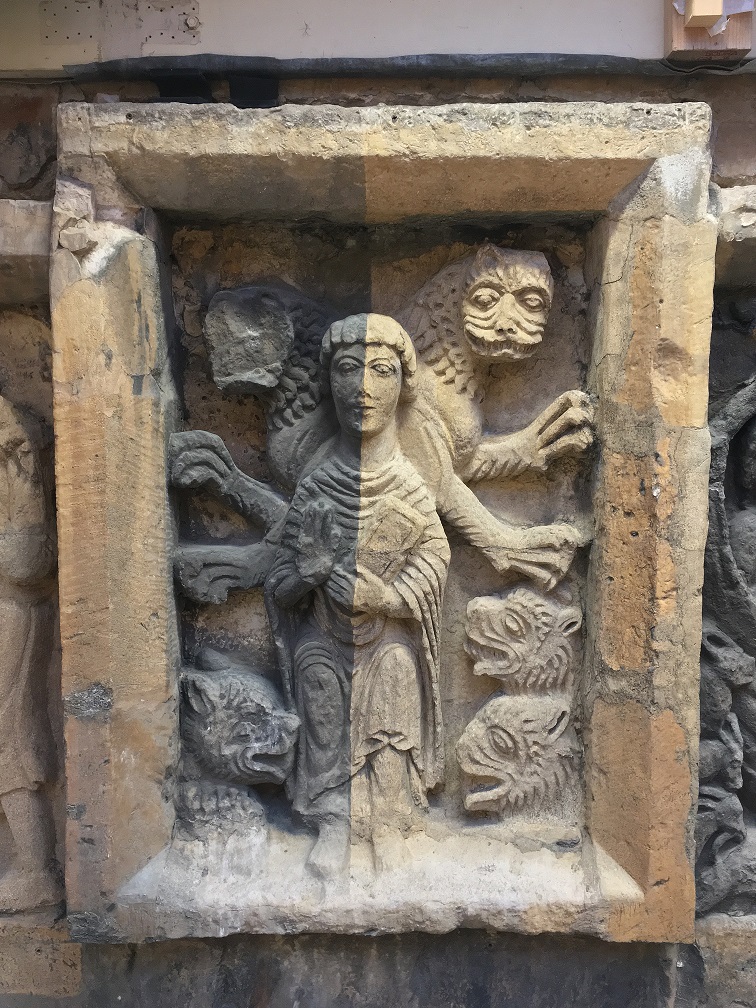
Historic stone relief. Atmospheric soiling removed. Carved detail preserved.
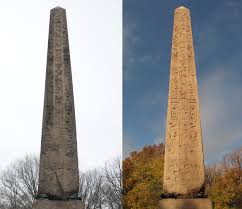
Historic masonry. Surface contamination removed without water, chemicals, or abrasive contact.
WHY PEOPLE CHOOSE LASER FOR STONE AND MONUMENT CLEANING
Remove the Soiling. Leave the Stone Exactly as It Was Underneath.
No Water Driven Into the Stone
Pressure washing forces water into the stone substrate. On porous stone like limestone and sandstone, that moisture carries dissolved contaminants deeper into the material and creates conditions for freeze-thaw damage, efflorescence, and accelerated biological regrowth. The laser removes contamination from the surface without introducing any moisture into the stone.
No Chemical Reaction with the Stone
Chemical cleaners react with the stone itself, not just the contamination. Acidic cleaners etch calcium-based stone. Alkaline cleaners can cause brown staining on iron-bearing stone. Poultice chemicals leave residue in the pores. The laser removes contamination through light energy absorption, not chemical reaction. Nothing is applied to the stone surface.
Carved Detail and Inscriptions Preserved
The laser follows the contour of carved letters, decorative relief, and textured surfaces without removing stone material. Pressure washing erodes soft stone in carved recesses. Abrasive methods remove material from raised edges and fine detail. The laser cleans the surface it contacts without altering the geometry underneath.
Controlled Cleaning Level
Not every job requires the same result. Some clients want heavy contamination removed while preserving the natural aged appearance. Others want the stone cleaned to a more uniform finish. The laser parameters allow us to control the cleaning level for each job based on the desired outcome, not just remove everything the equipment can reach.
Works Across Stone Types
Granite, marble, limestone, sandstone, bluestone, brownstone, slate, travertine, and brick. The laser parameters are adjusted for each stone type based on density, porosity, and surface characteristics. One process, adjusted for each material, rather than switching between different chemicals or abrasive media for different stone types.
Mobile On-Site Service
Monuments, buildings, and cemetery markers cannot be moved to a shop. We bring the laser equipment to the site and work on location. Self-contained power and fume extraction. No water supply needed. No chemical storage on site. Service across Missouri, Kansas, Oklahoma, and Arkansas.
Laser cleaning provides distinct advantages for stone, monument, and masonry surfaces that other cleaning methods cannot match. The process removes contamination without introducing water that causes freeze-thaw damage and efflorescence in porous stone. No chemicals are applied that can etch calcium-based stone or cause iron staining. No abrasive contact removes irreplaceable carved detail, inscriptions, or original surface texture. The cleaning level is controllable, allowing preservation of natural patina when desired or more thorough cleaning when appropriate. The laser works across granite, marble, limestone, sandstone, bluestone, brownstone, slate, travertine, and brick with parameter adjustments for each material. Mobile equipment with self-contained power and fume extraction allows on-site service at cemeteries, historic buildings, churches, and properties across four states.
HOW IT COMPARES
Stone Is a One-Shot Material. Whatever You Remove Cannot Be Put Back.
Stone is not like metal. Metal can be resurfaced, re-machined, or replaced with identical material. Stone, especially carved stone, historic masonry, and natural monument surfaces, is irreplaceable. The original tool marks, surface texture, and carved detail exist only once. Whatever cleaning method removes from the stone surface is gone permanently.
That makes the wrong cleaning method more than an inconvenience. Pressure washing drives moisture into porous stone and erodes soft surfaces over repeated applications. Chemical cleaners react with the stone itself, causing etching on calcium-based stone and brown staining on iron-bearing stone. Abrasive methods physically remove surface material that cannot be restored. Each of these starts a damage cycle that compounds over time.
We evaluate each job based on the stone type, the contamination, and the desired outcome. We test a small area before proceeding and adjust laser parameters for each surface. If the laser is the right approach, we explain what the result will look like. If it is not the right approach, we say so.
Pressure Washing
What it does well:
Removes loose surface dirt and light biological growth quickly with widely available equipment. Effective for routine cleaning of dense, non-porous stone where moisture intrusion is not a concern.
Where it falls short:
Forces water deep into porous stone like limestone and sandstone, carrying dissolved contaminants into the substrate. Creates conditions for freeze-thaw damage, efflorescence, and accelerated biological regrowth. Erodes soft stone and carved detail over repeated applications.
Chemical Cleaning
What it does well:
Can dissolve specific types of staining and biological growth. Poultice applications can draw embedded stains from stone surfaces over time. Effective for targeted stain removal when the stone chemistry is well understood.
Where it falls short:
Acidic cleaners etch calcium-based stone. Alkaline cleaners cause brown staining on iron-bearing stone. Chemical residue left in pores can react over time. Runoff affects surrounding vegetation and adjacent stone surfaces.
Abrasive Methods
What it does well:
Removes heavy paint, thick coatings, and deeply bonded contamination quickly. For surfaces where the stone profile is not a concern, mechanical methods can be fast and cost-effective.
Where it falls short:
Physically removes stone material along with the contamination. Sandblasting, grinding, and mechanical scrubbing erode carved inscriptions, decorative detail, and original tool marks. The removed material cannot be replaced. Each application removes more irreplaceable surface.
Laser cleaning for stone and monument surfaces uses a fiber laser beam tuned to the absorption characteristics of the surface contamination. Atmospheric soiling, biological growth, paint, and bonded stains absorb the laser energy and vaporize. The stone substrate reflects the laser wavelength rather than absorbing it, so the contamination is removed without affecting the stone underneath. The process introduces no water into the substrate, applies no chemicals that can react with the stone, and makes no abrasive contact that removes surface material. An integrated fume extraction system captures vaporized particles during cleaning. The operator adjusts laser parameters for each stone type and contamination combination and tests a small area to confirm settings before proceeding across the full surface.
The Surface Gets Cleaned. The Stone Stays Whole.
Send us photos of the stone, a description of the contamination, and what outcome you are looking for. We will tell you what the laser can do, what it cannot do, and what the job involves. No pressure, no sales pitch, just an honest evaluation based on the material and the conditions.
RELATED SERVICES
Stone Is Usually Part of a Larger Property
COMMON QUESTIONS
What People Ask About Cleaning Stone and Monuments
Send Us Photos of the Stone. Get an Honest Assessment.
The stone type, the contamination, and the desired outcome. That is all we need to tell you what the laser can do, what it cannot do, and what the job involves. On-site service across four states.